
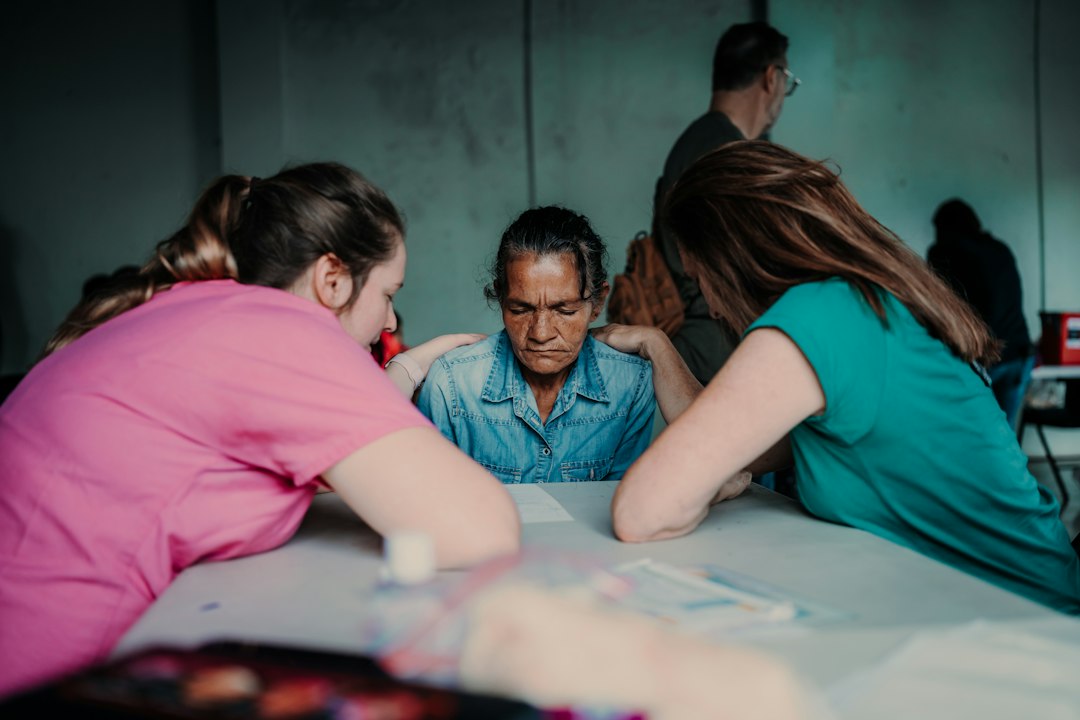
Curious what happens once you step into a clinic or hospital abroad? Medical internships abroad place students and young professionals directly inside working healthcare settings across Latin America, where daily routines blend hands-on learning with cultural immersion. Below, we answer the most common questions about what these placements actually look like day to day.
Where are interns placed during the program?
Placements typically take place in public and private hospitals, local clinics, assisted-living facilities, and private medical offices. The setting depends on the country and the intern’s background. In Guatemala, for example, placements often happen in hospitals and clinics facing real resource limitations, giving interns a close look at how care is delivered despite funding gaps. In Costa Rica, interns may work alongside staff in a more developed public-private system, while in Peru, placements often include assisted-living facilities and smaller community clinics.
What does a typical day involve?
Daily tasks vary by location and facility, but most interns can expect to be involved in some combination of triage, patient consultations, checkups, and ward rounds. Interns may also support elderly care, assist with health education sessions, help manage medical supplies, and handle patient records. Some participants get the chance to join vaccination campaigns and tropical medicine initiatives carried out in rural communities, offering exposure to public health challenges rarely seen in classroom settings. Limited placements are also available in dental care and physical therapy.
How closely are interns supervised?
Every intern is partnered with a local medical professional who oversees daily activities and provides guidance throughout the placement. Depending on an intern’s prior training and credentials, this supervision can mean direct involvement in patient care or primarily shadowing a staff member during rounds and consultations. This structure ensures interns gain exposure to real clinical environments while working within appropriate boundaries for their experience level.
Will I work in public or private healthcare settings?
Both. Many Latin American countries operate large nationalized healthcare systems, but geographic barriers and limited government funding can make access difficult, especially in rural areas. Medical internships abroad often place students in these public settings, where resources are stretched thin but the quality of care delivered remains genuinely impressive. At the same time, placements in private hospitals and medical offices expose interns to a different pace and infrastructure, rounding out their understanding of how healthcare operates across sectors.
Do I need to speak Spanish to participate?
Yes. Intermediate Spanish is required to communicate effectively with patients and medical staff during placements. For those who haven’t reached this level yet, language preparation through immersion coursework before the internship begins can bridge the gap and set interns up for a smoother, more productive placement.
What skills do interns walk away with?
Beyond clinical exposure, interns build practical experience in patient care, deepen their knowledge of medical terminology in Spanish, and strengthen their ability to communicate with Spanish-speaking patients. Many also develop a sharper understanding of how healthcare systems function in developing regions, along with the resourcefulness needed to adapt when equipment or staffing is limited. These experiences often shape a more globally minded approach to medicine that classroom learning alone can’t replicate.
Who typically applies for these internships?
Medical internships abroad attract pre-med students, nursing students, and early-career medical professionals looking to strengthen their applications or broaden their clinical perspective before specializing. Applicants generally need proof of medical education or training, a positive attitude toward working with limited resources, and a willingness to adapt to flexible schedules that may include evenings and weekends.
What’s the bigger takeaway?
A placement like this offers more than a line on a resume. It’s an opportunity to witness firsthand how dedicated medical professionals deliver care under real-world constraints, and to walk away with sharper clinical instincts and a broader worldview. For anyone weighing their options, medical internships abroad provide a structured, supervised way to gain that experience while contributing meaningfully to the communities they serve.
What You Need to Know
- Medical internships abroad typically place students in public and private hospitals, local clinics, assisted-living facilities, and private medical offices across Latin America.
- Interns can expect daily tasks to include triage, patient consultations, checkups, and participation in vaccination campaigns and public health initiatives.
- Every intern is partnered with a local medical professional for oversight, which can involve direct patient care or shadowing depending on their experience level.
- Intermediate Spanish is required to participate in medical internships, and language preparation is recommended for those who do not yet meet this level.
- Interns gain practical experience in patient care, knowledge of medical terminology in Spanish, and an understanding of healthcare systems in developing regions.


Leave a Reply